World PI Week

22nd-29th April is World Primary Immunodeficiency Week raising awareness amongst the general public of primary immunodeficiencies.

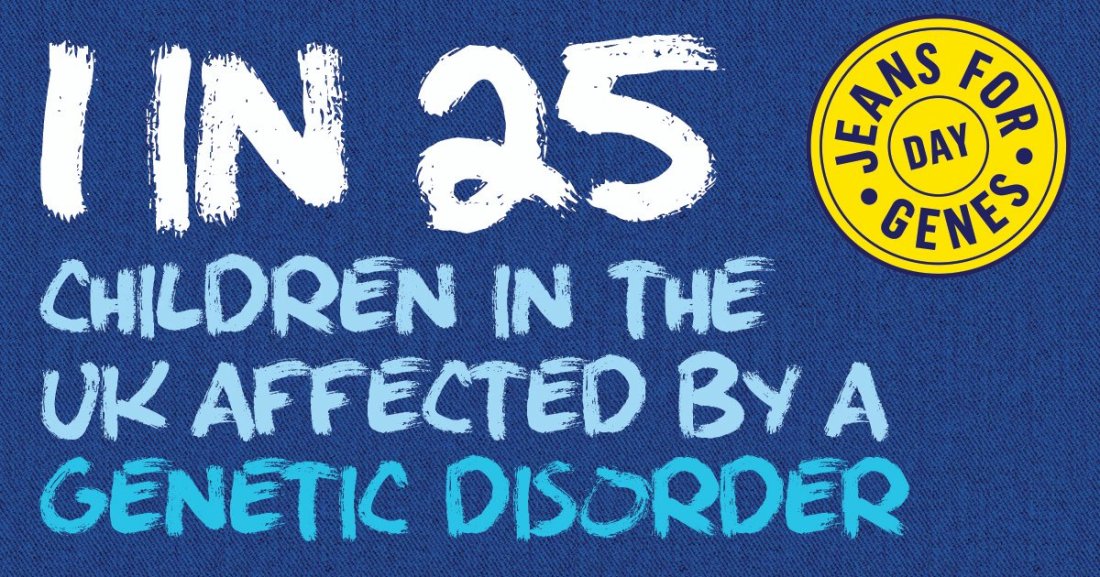
Primary immunodeficiencies are disorders in which part of the body’s immune system is missing or does not function properly. When a defect in the immune system is inherited (carried through the genes), it is called primary, or inherited, immune deficiency. There are over 200 forms of Primary Immunodeficiency (PI), ranging widely in severity. PI often presents itself in the form of “ordinary” infections.

Physicians sometimes treat the infections while missing the underlying cause, allowing the illnesses to recur, and leaving the patient vulnerable to vital organ damage, physical disability, and even death.

I was lucky in that mum knew something was wrong with me and pushed for me to see a specialist which led to my diagnosis.

The Objectives of World PI Week are:

  • To drive recognition of primary immunodeficiencies (PI) as an increasingly important group of diseases
  •  To increase recognition of PI amongst the medical profession as well as parents, school teachers, day care centre employees, researchers and nurses to increase the understanding of these diseases and promote early diagnosis
  • To encourage health authorities to use existing awareness materials produced by JMF, IPOPI, PID UK and other stakeholders to promote the timely diagnosis and treatment of  people living with PI
  • To promote the model of combining physician education and global awareness with the infrastructure to diagnose and treat PI worldwide
  • To stimulate efforts to improve the recognition, diagnosis, treatment and quality of life of people with PI world-wide


Fatigue

So many people think they understand when you say you are tired but they don’t.

When I say I’m tired it’s quite often bone weary, can’t get off the sofa to even go to the loo, body temperature up the spout, struggle to put one foot in front of the other tiredness.

The closest a “normal” person that I know has ever got to fatigue was my sister when she was pregnant.

Even if I feel okay, exhaustion can hit me suddenly out of the blue or because I forget or don’t realise how much an activity will take from me.

For example: 2 weeks ago it was sunny and I felt good so I mowed the lawn. For 4 days after I struggled to move, cancelling lunch with a friend and a birthday dinner.

So remember a simple task for you can be a momentous task for those with a rare condition..

Celebrate every Birthday

Last week I turned 30!! I never thought that would happen so I decided to celebrate in style.

Then it snowed!

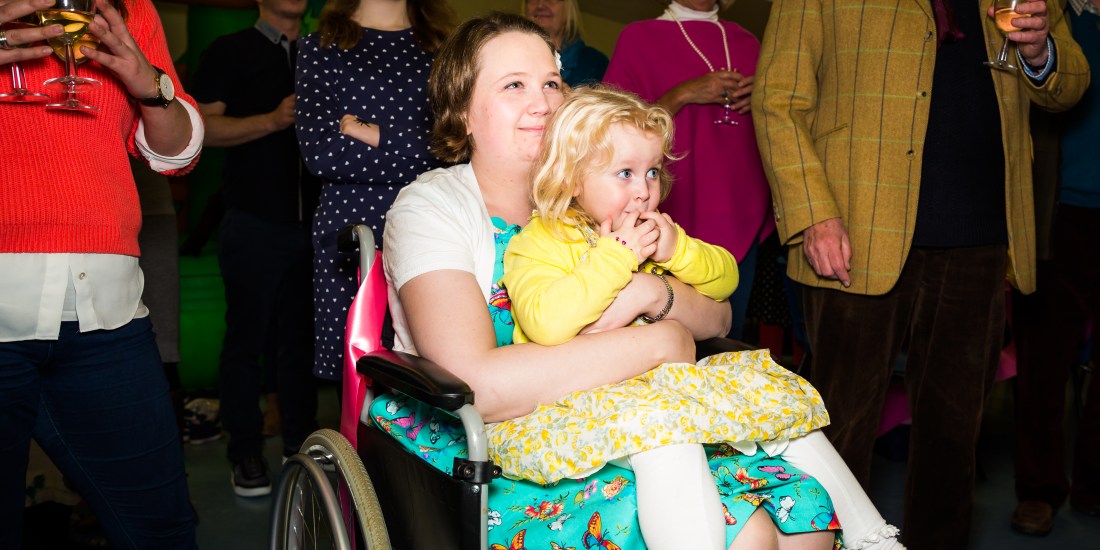
I freaked out but still 70 people made it from Cornwall and Devon, Yorkshire and Kent to my afternoon tea party with a bouncy castle, soft play and face painter.

March 17th (56).jpg

It was amazing to see everyone and I did get quite emotional because of it.

So to all my family and friends who made the effort to come and celebrate with me,

Thank You.

I may have slept most of the hours since then, and on Monday I kept weeping from tiredness but the joy of being able to celebrate such a big birthday was worth it.

Instead of presents I asked for donations to Primary Immunodeficiency UK as they are so helpful to me, my boss there is so understanding which is needed for dealing with fatigue.

Almost all rare disease patients have their own battle to fight and mine is tiredness. We all want to still be working and PID UK have made that possible for me.

The biggest battle of all is to make it to your next birthday and I did and I did in STYLE!!


5H1A75035H1A73975H1A7410

Neurogenetics

Today I had an appointment with Dr Tofaris at the Neurogenetics clinic at the John Radcliffe hospital.

Honestly I was apprehensive. There is no cure for ataxia so the main thing is altering your lifestyle and if needed treating the symptoms which works to a point.

My other concern was that the type of ataxia they believe I have is so rare they cannot predict how it will develop.

My immunology team are currently looking at my DNA, genes and mutations to see whether they can give me some more answers and have so far identified two variants in the gene called SAM9L Patients with mutations in this gene  have been reported to have ataxia pancytopaenia syndrome.

It ended up being a brilliant and really useful appointment, I will see Dr. Tofaris once a year unless I request to see him more often. The thing with ataxia is there is no cure so only managing of the condition and treating some of the symptoms.

I did lots of tests and even discussed things that may or may not be attributed to the ataxia such as my toes.

What has been confirmed is that the ataxia was the reason i could never hop, ride a bike or play games involving catching or hitting a ball.

I also saw Prof Nemeth who is a clinical geneticist with a special interest in ataxia. She has suggested getting all my consultants together to discuss me as I am such a rare case.

We talked about how my symptoms are developing, what I have in place to help me and future plans.

So whilst it might not seem to you much was achieved for me it was a really good appointment and reassures me the doctors are on track to keep getting me the best care possible.

Rare Disease Day

Wednesday 28th February was Rare Disease Day. Unfortunately I’m struggling with fatigue so haven’t been able to write about it until now.

Rare Disease Day is such an important day for those of us with rare conditions. It’s aim is to raise awareness among decision makers and the general public about rare diseases and their impact on patients lives.

Building awareness of rare diseases is so important because 1 in 20 people will live with a rare disease at some point in their life.

A disease or disorder is defined as rare in Europe when it affects fewer than 1 in 2000

One rare disease may affect only a handful of patients in the EU (European Union), and another may touch as many as 245,000. In the EU, as many as 30 million people may be affected by one of over 6000 existing rare diseases.

  • 80% of rare diseases have identified genetic origins.

Mine are both caused by genetic mutations that are not inherited from my parents so are “de novo”.

The lack of scientific knowledge and quality information on the disease often results in a delay in diagnosis. Also the need for appropriate quality health care engenders inequalities and difficulties in access to treatment and care. This often results in heavy social and financial burdens on patients.

My parents were constantly fobbed off by our GP when I was born with them saying I was fine and there was nothing wrong with me with Social Services even being called as the doctors thought mum and dad were abusing me. Luckily in comparison with other rare patients my diagnosis was made fairly quickly and because of my incredible consultants we soon knew about my ataxia when it developed and I received the help I needed to make like easier as I slowly lose balance and coordination.

Although rare disease patients and their families face many challenges, enormous progress is being made every day.

The ongoing implementation of a better comprehensive approach to rare diseases has led to the development of appropriate public health policies. Important gains continue to be made with the increase of international cooperation in the field of clinical and scientific research as well as the sharing of scientific knowledge about all rare diseases, not only the most “recurrent” ones. Both of these advances have led to the development of new diagnostic and therapeutic procedures.

The UK recently launched it’s “Strategy for Rare Diseases” something that is welcomed by us rare patients and something I will write about another day.

I think the most important thing is that rare diseases affect more people than you think. Individually a condition may be rare but collectively there are more of us than you realise but we will never stop raising awareness.


Living with a PID

Yesterday I gave a speech to a home delivery company so they could understand more about what living with a PID is like.

It was a brilliant day and as I am all for raising raising awareness of what it is like to live with an immunodeficiency I was happy to do it.

Whilst I varied my speech as it went below is the basis of what I said. I didn’t want it to be too long as I felt it was better for the attendees to ask me questions at the end so they learnt what was important to them

Living with a PID

From my birth I was always ill to the point where social services were called but eventually I was diagnosed with Hypogammaglobulanaemia as a baby. I was the only child at the clinic until I was 6 or so. At the time there was no paediatric centre at my hospital so I had my infusion surrounded by older women and men in their 80s although looking back now they probably weren’t that old. The fellow patients would help mum keep me amused during my infusion with challenges like “eat a packet of crisps without making a sound.

I received intraveous infusions of immunoglobulin at the John Radcliffe until I was 7 or 8 when mum learnt to do them a home. The John Radcliffe was one of the first hospitals to offer the chance to infuse at home which meant mum and I didn’t have to travel to Oxford every few weeks. Aged 18 I then learnt to do subcutaneous so I could do it easily myself at home and then at university.

I’ve been with Calea for over 20 years on and off having my immunoglobulin and ancillaries delivered to home. I currently infuse 80ml of subgam each week into my stomach, although with the change to cuvitru this will reduce to 60ml.

I know a lot of people continue with the normal activities when they infuse but for me it’s a proper excuse to sit and relax at home on the sofa. However when I was younger I didn’t let infusions stop me from enjoying life, in fact there is a photo of me lying on a lilo in a gorgeous blue pool with my infusion dripping in to me whilst I floated.

The nurses who look after me would hate to know that I regularly infuse with my little dog lying asleep on the sofa next to me. For hygiene reasons pets are meant to be in a separate room whilst you infuse but mine hates to be apart from me so doing that would mean an hour of listening to her crying which would probably make me more ill from stress.

Understandably a new diagnosis of a primary immunodeficiency can be daunting but I work part time for Primary Immunodeficiency UK answering enquiries and helping newly diagnosed patients with questions they may have and hopefully easing some of their worries.

I think it is especially worrying for parents of newly diagnosed children but I hope through PID UK and mine and Susan’s work, the facebook groups UK PID Patients and UK PID Carers which I set up these parents can see how others are thriving since their diagnosis and with appropriate treatment and this hopefully allays their fears a bit.

Pain relief

I know there are several things patients can now use to help make their infusion easier and it less painful when putting in the needles but for me it will always be about EMLA cream, a topical anaesthetic cream I used until I was about 22 on my stomach when I started infusing subcutaneously and again aged 27 when I started trying to infuse into my thighs which I finally realised wasn’t ever going to be successful.

When I infused intravenously from when I was diagnosed, I used EMLA until I was about 14. I now go through phases of having to watch a cannula go in if I’m ever at the hospital and purposefully not watching. If the person inserting the cannula hasn’t listened to me about where to stick the needle I am going to watch as I know they will mess up. I know my body and my veins so if you stick a needle somewhere new then chances are it won’t work. I ABSOLUTELY CANNOT watch other people have needles stuck into them and although I am an avid fan of hospital programmes I will use the dog as a shield if anyone requires an injection or anything like it.

The other product I have heard a lot about aside from topical anaesthetic creams is Buzzy. Buzzy is a reusable device that confuses your body’s own nerves and distracting attention away from the needle pain, dulling or eliminating it. I think this is a brilliant idea for adults and children alike, especially those who dislike needles. A lot of parents of PID children use Buzzy each week to start their infusions without it being a problem and I definitely wish it had been around when I was younger as I think it would have saved the bucketloads of tears I used to cry.

As with most thing the thought it always worse than the actual process.

How I’m Affected

When you tell people that you have a PID the first thing they wonder is whether it’s related to HIV so you have to explain that it is caused by changes to your genes and is not contagious.

The next biggest issue is people not realising how even with infusions it is important for patients to not be near or even in the same room as those with contagious illnesses and that even colds can have a major effect. I have a friend who has CVID as the end of January has had rhinovirus for three months. So she had a cold for three months and the antiviral drugs made her feel horrendous on top of this.

In January I developed a cold and having seen my Immunologist a week ago she told me I shouldn’t have left it to just go away after 4 weeks but been on antibiotics rather than risk it.

If someone has a virus or has had one I will ask them to stay away from me so I don’t catch it and I will be unapologetic about it when I do.

A lot of people also don’t realise that being immune deficient can open you up to a lot of other illnesses which can cause you major issues more than just getting ill. My biggest issue (aside from not being able to walk properly) is fatigue and I know this is something that affects a lot of patients with lifelong chronic illnesses. I generally need to sleep about 11 or 12 hours a night (which is why I stayed here last night) and if I don’t I can often not get through the day without a sleep.

I have to plan my days and if I know I am going to have a busy day one day then the next one needs to be empty so I can sleep if and when I need to.

Luckily I have some amazing friends who will happily adjust their plans if I’m tired and it definitely proves that the most important thing for me coping with a PID is to have brilliant friends and family.

Whilst I could go on and talk further about being a PID patient I think the best thing for everyone would be if I attempt to answer your questions so you learn about what you want to know about so please ask away.”

Huge thank you to Calea for inviting me.

If you have any questions from reading this please do drop me a line and ask me, I would rather people ask me questions than make their own, often wrong assumptions. I hope the above gives you a bit of an idea of my life.

Head MRI

Today I had a head mri with contrast. If you’ve never had contrast before it feels a little like you’ve wet yourself, all warm and weird.

A friend of mine had an mri with contrast and made the nurse check she actully hadn’t wet herself.

I’ve has MRIs a lot over the last 5 years or so.

One summer I was in hospital and an Endocrinologist noticed I had nystagmus so ordered a head mri to be safe.

That evening a neurologist popped in to say it

Had shown some abnormalities which might indict MS or Lupus or any other condition

She told me she was going to have another MRI with contrast ordered for me and she’d be back the following day.

She never came back leaving me terrified.

That night my sister was in the pub and dropped everything to come and visit me, called my parents who were in Cornwall (I’d insisted they go) and sat with me whilst I worried.

The next day I had my second MRI but with contrast and decided that as my main specialist was in Oxford I wanted to see neurology there as well.

And so began my ataxia journey!

Therapy Animals

Everyone knows the therapeutic benefits that animals can have on you.

Stroking a dog, cat or any animal relaxes you, lowering your blood pressure.

I talk to my dog a lot and it helps. She “listens” to me, is someone to cry on and curl up with when I’m feeling bad physically or emotionally. You can read about my own therapy dog here 

The benefits of owning a pet or just spending time with one is well known, which is why many organisations focus on this.

Pets as Therapy provides therapeutic visits to hospitals, hospices, nursing and care homes, special need schools and a variety of other venues across the UK.

Dogs for Good train and support community dogs and their specialist handlers to work in activity and therapy in communities and school.

Assistance Dogs UK is a voluntary coalition of eight assistance charities that aim to promote the freedom, independence and rights of people with assistance dogs across the UK.

Canine Partners provide practical day to day assistance for people with physical disabilities with tasks that may be difficult to perform. They also provide increased confidence, independence and social interaction.

Dog A.I.D provides owners the skills and knowledge to train their pet dog to assist them with daily tasks tailoring their ability to their needs.

Dogs for Good support adults and children with a range of disabilities/

Guide Dogs are for adults and young people who are blind or partially sighted.

Hearing Dogs for Deaf People train dogs to alert deaf people to sounds they would otherwise miss bringing about independence and confidence.

Medical Detection Dogs train specialist dogs to detect the odour of human disease such as different types of cancer and alerting them to medical events such as Diabetes and Addison’s attacks.

Support Dogs is dedicated to increasing independence and quality of life for people with various medical conditions.

The Seeing Dogs Alliance trains dog to guide blind and partially sighted people.

These organisations are by no means the only ones out there to help people with disabilities and medical conditions and I am a firm believer that anything to help people retain their independence is good thing.

Assistance dogs can help with everything and anything. Everyone knows about Guide Dogs helping visually impaired people but nowadays dogs can be trained to open and close doors, load and unload washing machines, get you a tissue and lots more beside.

As my ataxia gets worse my biggest fear has been losing my independence and if I hadn’t fallen in love with Minnie I’d have got a dog I could train to assist me.


The best therapy

I’ve always loved dogs and they have always been a part of my recovery after being in hospital.

Growing up we had Pickle, a wire haired dachsund but she was mums dog so although I got cuddles it wasn’t the same.

When I was 7, Mungo (Pickles son) was born and my first love affair began. Lots of cuddles, licks and good memories.

When I was 13 and recovering from my second operation Elsa (miniature wire haired dachsund) came into my life and made it incredible. Elsa was bred to be a show dog but hated being in the show ring and being handled by strangers (can you blame her). She travelled back from Kent with mum, sitting on the passenger seat and was incredibly nervous so barely came near me when they reached home.

The next day both parents went out to work and Elsa and I spent the day on the sofa with her wedged between me and the back of it. And after that history was written. Wherever I went I had a follower, upstairs, downstairs, inside, outside and even to the loo.

Elsa

When I went to university Elsa stayed with mum and dad although I loved going home and seeing her and when I first moved to Basingstoke I lived in a first floor flat with no garden so it didn’t seem fair to bring her to live with me, leaving a garden and mum and dads dog Noah (another dachsund).

In 2014 we sadly had to put Elsa to sleep and it took 9 months to feel ready to get another dog. I was living in a two bedroom house with a garden situated near to two parks with plenty of places for walks. My search for a new dog took 2 months, with visits to a shelter near my parents, website trawling as well as searching Dogs Trust and Battersea,

A disastrous trial with a young dog led me to believe an older one would be a better fit and the same day that I decided to postpone my search for a dog the same day I saw the following description

extremely lazy, likes to lie in the sun and sleep inside. Would suit a retired couple

At this point I knew I had to meet this dog and from the moment I saw Minnie Mouse I knew she was perfect for me.

She had a hernia, had been used for puppy breeding, had entropian of the left eyelid and a severe skin infection.

A few weeks later after surgery, spaying and microchipping she was home with me and within an hour had decided the sofa and bed were her domain and she went from one to the other.

Minnie 1

Nearly 3 years later I can’t put into words how much she’s helped me. When I’m ill she comforts me, when I’m feeling lazy she’s a reason to go out. She runs next to my scooter and helps me get used to the items occupational therapy have given me.

A lot of people with different conditions will tell of the benefits that animals can give and I’ll be exploring the different organisations that help with these animals in my next post.


The Importance of Family

My family has always supported me no matter what. They’ve always been there to help me when I’m well and when I’m ill.

The past week has given me an opportunity to see many members of my family on both Thursday and Sunday.

On Thursday many members of my family attended the Monte San Martino trust which was set up to thank those who helped the P.O.Ws who escaped camps and travel down Italy.

I first started attending these lunches before my ataxia took hold but life with a blue badge makes it easier enabling us to park outside the venue. Every cloud has a silver lining and this one also had a rainbow as I got to see cousins I rarely see and have a catch up.

I’ve talked before about how much I love my niece and nephew and this weekend we had our first family Christmas with my aunt, cousin, his wife and child.

It may be early for a Christmas party but it’s ideal for me as a get tired so easily so spreading it out works well.

Being off balance meant a bit of “dosy doeing” before sitting down and trying not to tread on toddlers but all in all it was a lovely few days being with family members who have supported me through everything and continue to do so.