Hickam’s Dictum

Hickam’s dictum is a counterargument to the use of Occam’s razor in the medical profession. While Occam’s razor suggests that the simplest explanation is the most likely, implying in medicine that diagnostician should assume a single cause for multiple symptoms, one form of Hickam’s dictum states: “A man can have as many diseases as he damn well pleases”

This definitely applies to me as I go for more testing but it also applies to so many rare patients.

The rare community of patients often refer to themselves as ‘zebras’. This is because when doctors are learning they are told to look for the most obvious reason “when you hear hoofbeats think horses” but rare patients aren’t horses; we require more thought, testing and thinking outside the box which is why it can take so long to diagnose a rare disease patient. It may be frustrating for the doctor but it’s even more frustrating for the patient.

An organisation has been created producing a quarterly magazine discussing rare conditions. Rare Revolution Magazine brings together all the rare conditions allowing patients to talk and support each other. Whilst each rare disease does not affect many people, collectively rare diseases affect 1 in 17 so having several “rare” people in your life is actually quite common.

So always think of us “Zebras” and bear in mind the most obvious answer is not always correct.

Be Prepared

A few years I completed some important documents.

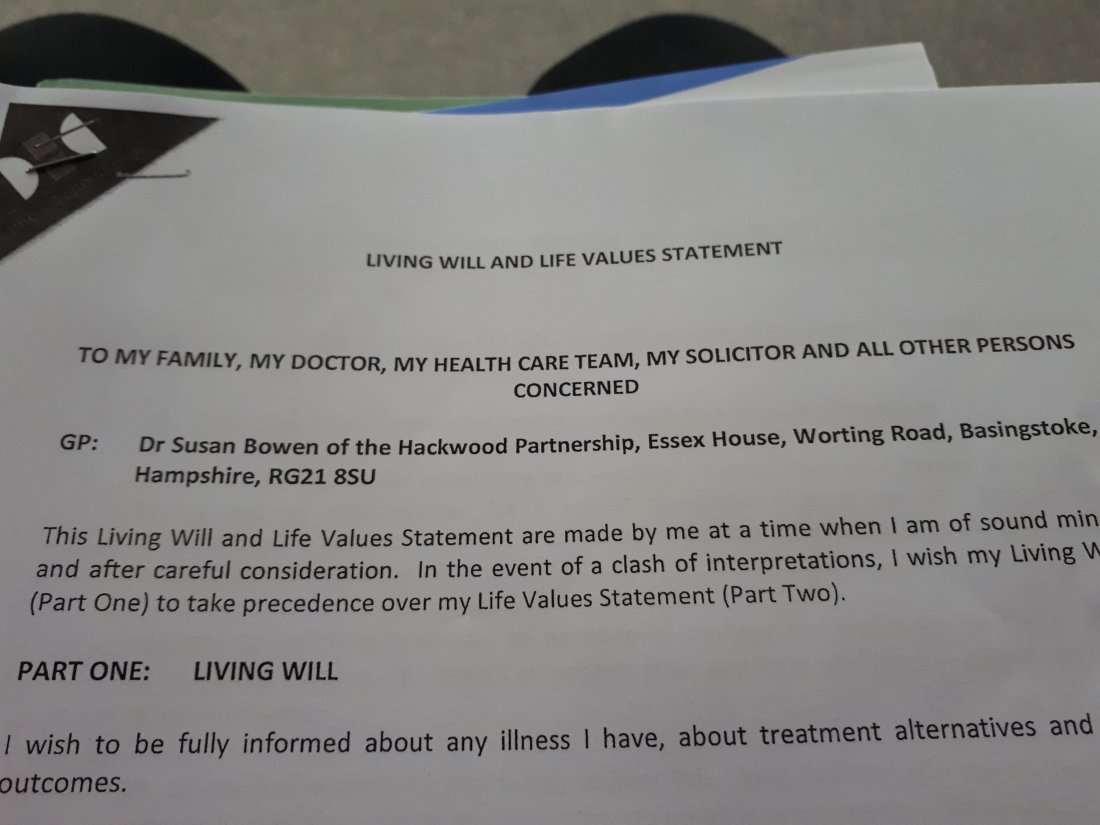
These were my will, my living will power of attorney documents for both health and finance.

It was important to me to do these documents so I get a say in whether my life is extended in certain situations.

My incredible sister is the executor of these documents and a living will means my end of life decisions are already made so she doesn’t have to make hard decisions.

The living will is the most important of these documents and lays out my wishes in certain situations. My independence means the world to me so for me it is important so being unable to care for myself in any situation is not one I want to be in and so I have laid this out in the document. I have also stated that I do not want any medical intervention if they will only extend my life and not lead to full recovery.

A copy of this is with each of my hospitals and my GP who when I gave it to her said she wished more people did them to reduce the hard decisions when they’re older.

I’ve appointed my sister and oldest friend to ensure my views are respected as I trust them not to fight against my decisions and do as I wish.

These 2 amazing people are listed as attorneys for my financial and heath matters in my power of attorneys and also as executors or my will which lays out who I wish to gift my estate etc to.

As my three favourite people Olivia, Zac and Becca are the main recipients with small gifts to other people.

It’s not nice to think about these things but in my eyes it’s necessary and something I would ask you all to consider, even if it’s just doing a will. A living will means your family doesn’t have to make difficult decisions.

So now I can focus on being a good daughter, great sister and awesome aunt knowing the important things are taken care of.

I may have Ataxia but it doesn’t have me

Ataxia

When I was diagnosed with Ataxia 4/5 years ago I didn’t quite know how to handle it and losing my independence was my greatest fear but with my incredible friends and family I’m still able to do most things.

I still have days when it all seems impossible such as when I lose my balance, fall over and bruise my butt (it’s happened a few times)

I had one thing that I still wanted to do and as we can’t predict the progression of my Ataxia I thought it might be best to do it sooner rather than later while I can still do stairs. That thing was to go to a gig performed by my favourite band who I’ve already seen 7ish times (now 8). However the venues they perform in aren’t always the most accessible so when I bought tickets several month ago I realised it needed serious planning.

First thing: email the venue to let them know and ask about wheelchair accessibility. Patterns in Brighton were incredibly helpful listing the number of steps and where they were and letting me sit at the front in my chair which they carried down for me. (Being in a wheelchair gets you a prime position as well :-))

Second thing: Invite a friend who loves the band and doesn’t mind being my carer. Enter the awesome Siobhan Eyley with whom I have an absolute blast whatever we do.

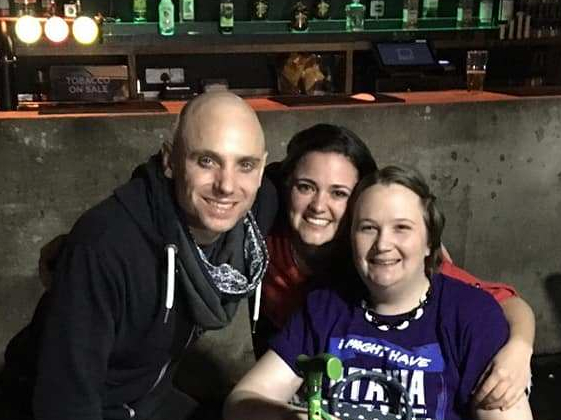
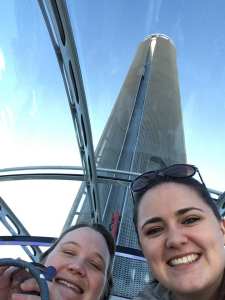
Brighton We napped, shopped, went up the i360 , ate lots (but no donuts :-(), got drunk and watched the best band ever.

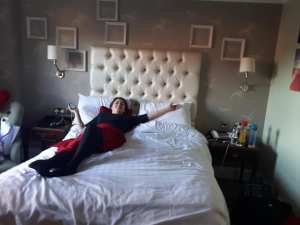
Third thing: book a hotel room. Turns out cheap hotels don’t have lifts or accessible bathrooms so we found a room with a very small bed for us to sharebed

The bed came in useful especially after getting home at 2.30am Sunday morning so needing a nap Sunday afternoon.

Then it was booking fun stuff.

Thank you to everyone for making the weekend such a blast, especially Siobhan and I am so glad I woke up with no hangover on Sunday.

Oh and we got a sword.

Excalibur


Can I Pray For You?

So I’m at the conference in Lisbon and one of the aims is to network so I started chatting to this guy. Just my luck it turns out he had nothing to do with Immunology but was a computer programmer there to make sure all the computers worked properly.

Anyway we were chatting away and I was telling him about my immunodeficieny and he interrupts and says “can I pray for you?” I wish I’d said no but in the shock of it I said “yes”, he followed it up with “can I touch your shoulder whilst I pray?” Major shock still playing a role I said yes again so he put his hand on my shoulder, shut his eyes and started praying out loud for me. Mum was gone getting coffee at this point and couldn’t return soon enough.

I have no problem if people want to pray and turn to religion for help with illness etc and at least he asked me but I so wish I’d said “NO”

After the prayer I told him I wasn’t religious and believed more in science and genetics. He told me I should give God another chance to which I replied “if God can fix my genes and DNA then brilliant”

If prayer gets you through things then brilliant but the next time someone asks me if they can pray for me I will be saying NO.

Lisbon done My Way

Last Tuesday I flew to Lisbon with my mum as my carer for a work conference for 3 days and 4 days to relax after.

Lisbon airport is part of an amazing service called MyWay. https://www.flytap.com/en-gb/special-needs/my-way

This amazing service meant that when we arrived on the tarmac and all other passengers disembarked down steps and onto buses an enclosed cabin lift took me from the aircraft door and down to a waiting mini bus. I was then pushed all the way through the airport where were got our luggage and a MyWay person continued to get us all the way to a taxi. This service meant from the moment we landed to getting in a taxi we were escorted. This took a massive weight off our minds and with the same thing going home it meant the journeys were easy.

Travelling around Lisbon though was not. There are many blogs about wheelchair travel and how difficult it is but we still gave it a go.

The hotel that we stayed at was found by the conference organisers with a reduced mobility bathroom which had a shower seat and rails which was brilliant. The Pestana CR7 was brilliant with great food and the staff were so helpful getting me into taxis each day.

The conference was brilliant, meeting people I’ve been emailing for years and hearing some really interesting talks.

Our 4 days relaxing involved an unsuccessful visit to the castle (uneven cobbles on a hill) a trip to a panoramic view 18 floors up (amazingly windy), Lisbon zoo, (lots of animals but they needed more enrichment), Jeronimos monestry (from the outside) and Belem and some shopping.

If you’re going to Lisbon in a wheelchair I would advise booking some wheelchair friendly tours so that each day you see what you want to see with the assistance you need.

Also the wind can be incredible so wrap up warm with a scarf especially.

Staying near Praco de Comercio means it’ll be flat where your hotel is (important so you don’t roll away when leaving the hotel)

So in summary I would say travelling round Lisbon in a wheelchair is difficult but if you plan ahead then possible.

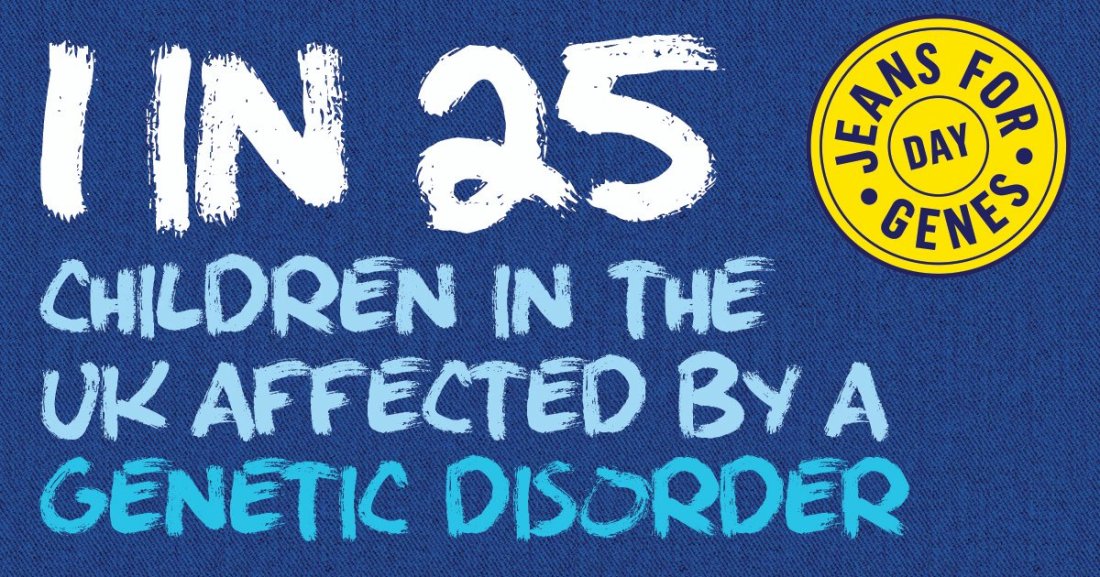
Jeans for Genes is coming

Jeans for Genes occurs each year and raises money for children and awareness of genetic disorders.

Individually genetic disorders are rare but combined they are common.

As several of my conditions are caused by genetic mutations and having seen how genetic disorders affect children growing up this is a cause I support.

Some genetic disorders are so rare there is only a couple of children affected by certain disorders in the UK so it is hard for the organisation’s to get any support.

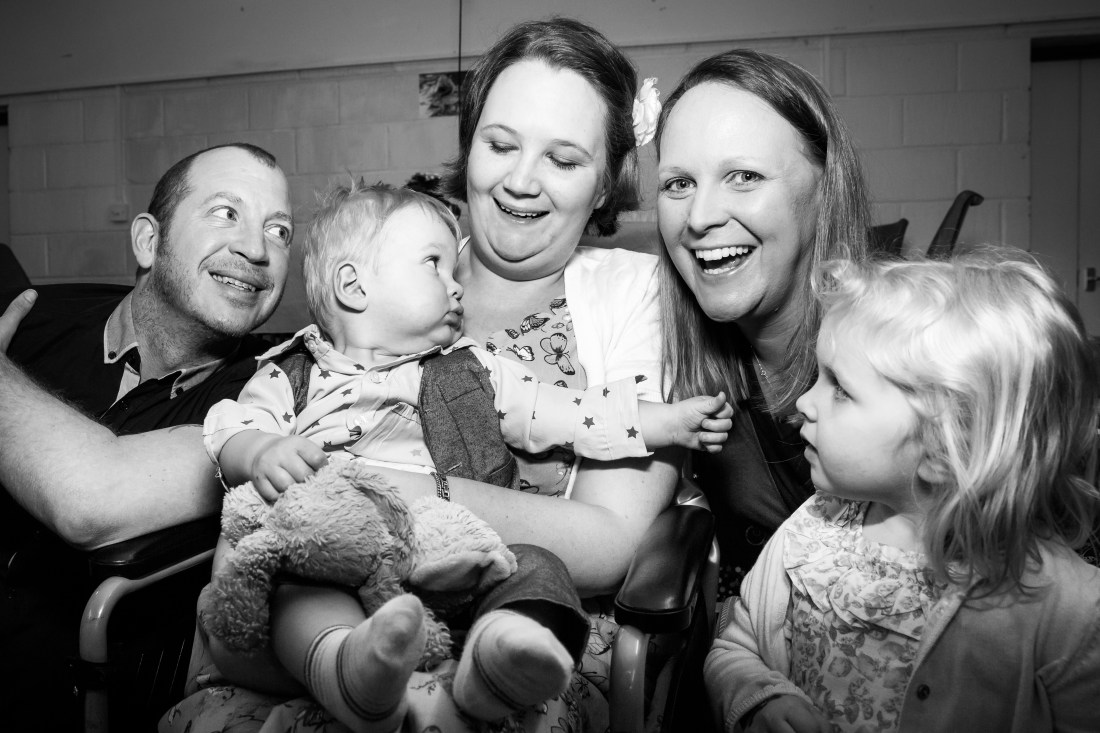
Jeans for Genes helps organisations host family days, symposiums, learning opportunities for families and carers giving families a chance to meet others that are also affected.

So on the 21st September don your jeans and help children with genetic disorders.

Happy Birthday NHS

(Apologies in the delay since my last post, fatigue has made me sleep a lot)

Today I’ve seen many posts about how much the NHS has helped people and how some people wouldn’t be here without it and I’m definitely one of them.

During my 30 years the NHS has been my rock, growing up I called it my second home. For the first few months of my life our local doctor didn’t believe there was anything wrong with me (an issue with rare patients) but my parents knew they were wrong and pushed for a diagnosis. From diagnosis day I had an amazing Immunology team looking after me and trying to keep me well with infusions of what we call “liquid gold

Development of Crohns Disease aged 7/8 led me to having a second NHS team. This time in Gastroenterology. Countless procedures to monitor my Crohns and an array of different medications didn’t work and I had my first surgery when I was 12 as an emergency and was in hospital recovering for a long time. During my hours lying in my bed in a side room I made good friends with all the doctors and nurses with many of the nurses coming and keeping me company when they weren’t needed during the night and I was awake. One in particular was named Cordelia and loved jokes so a present to me of a joke book from one of my friends went down really well with her.

My second operation when I was 14 was the same although I wasn’t in for as long due to me being healthy when admitted for my planned op.

These teams supported me through many years, moving schools and eventually to uni. My Immunology team taught me how to infuse subcutaneously so I could do it myself in university halls and student homes and I carried on.

Age 21 I had a weird side effect to ‘Humira’ and Gastroenterology referred me to Dermatology who quickly diagnosed Psoriasis which had become infected. A mixture of creams and potent tables soon settled down and was manageable.

A few years later I woke up on a Wednesday morning and my knee had swollen and I could barely stand on it . A trip to minor injuries led to a trip to A&E when they stuck a needle in my knee and sucked out excess fluid. There was so much they had to undo the syringe which was full and attach a new one whilst leaving the needle poking out of my knee. After some testing of the fluids, blood tests, x-rays Rheumatology diagnosed me with arthritis. After a year or so I was on some amazing meds and now just get a flare up of it from time to time and a bit of aching but am generally fine.

Then finally about 4 years back I was admitted to hospital because of my Crohns and developed postural hypotension so was in for quite a while. An Endocrinologist was sen to look at me and noticed I had bad nystagmus which explains why I had said my vision was “shimmery” for a few years. A head MRI discovered cerebellar atrophy and white matter on the brain. I was referred to a Neurologist and now see a Neurologist with great knowledge on ataxia.

Meanwhile my Immunology team are doing genetic testing on me to confirm which type of ataxia I have although they’re 99% sure it’s Ataxia Pancytopaenia. They’re working with a Clinical Geneticist to look at my highly interesting DNA.

The NHS also provided me with hydrotherapy to help my joints (hated it) a physiotherapist when I was diagnosed with arthritis, a physiotherapist who came to my house when I developed ataxia properly and now every six weeks I speak to an NHS Clinical Psychologist who helps me overcome the emotional impact of being unable to walk properly.

I am also now under Endocrinology for a new issue.

Through out all this, from the age of 18 I have had amazing GPs and I absolutely adore the one I have now. She liaises with all my specialists, listens to me and accepts that I know what I’m talking about helping me where needed.

So for me the NHS has quite literally been a life saver and continues to be so.

Happy Birthday NHS!NHS_70_logo


Celebrate every Birthday

Last week I turned 30!! I never thought that would happen so I decided to celebrate in style.

Then it snowed!

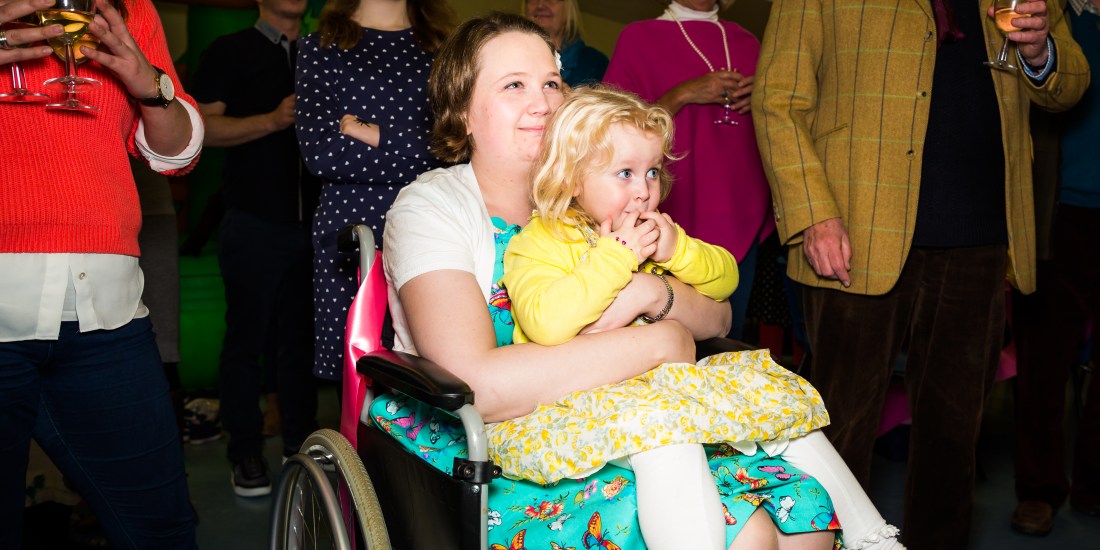
I freaked out but still 70 people made it from Cornwall and Devon, Yorkshire and Kent to my afternoon tea party with a bouncy castle, soft play and face painter.

March 17th (56).jpg

It was amazing to see everyone and I did get quite emotional because of it.

So to all my family and friends who made the effort to come and celebrate with me,

Thank You.

I may have slept most of the hours since then, and on Monday I kept weeping from tiredness but the joy of being able to celebrate such a big birthday was worth it.

Instead of presents I asked for donations to Primary Immunodeficiency UK as they are so helpful to me, my boss there is so understanding which is needed for dealing with fatigue.

Almost all rare disease patients have their own battle to fight and mine is tiredness. We all want to still be working and PID UK have made that possible for me.

The biggest battle of all is to make it to your next birthday and I did and I did in STYLE!!


5H1A75035H1A73975H1A7410

Rare Disease Day

Wednesday 28th February was Rare Disease Day. Unfortunately I’m struggling with fatigue so haven’t been able to write about it until now.

Rare Disease Day is such an important day for those of us with rare conditions. It’s aim is to raise awareness among decision makers and the general public about rare diseases and their impact on patients lives.

Building awareness of rare diseases is so important because 1 in 20 people will live with a rare disease at some point in their life.

A disease or disorder is defined as rare in Europe when it affects fewer than 1 in 2000

One rare disease may affect only a handful of patients in the EU (European Union), and another may touch as many as 245,000. In the EU, as many as 30 million people may be affected by one of over 6000 existing rare diseases.

  • 80% of rare diseases have identified genetic origins.

Mine are both caused by genetic mutations that are not inherited from my parents so are “de novo”.

The lack of scientific knowledge and quality information on the disease often results in a delay in diagnosis. Also the need for appropriate quality health care engenders inequalities and difficulties in access to treatment and care. This often results in heavy social and financial burdens on patients.

My parents were constantly fobbed off by our GP when I was born with them saying I was fine and there was nothing wrong with me with Social Services even being called as the doctors thought mum and dad were abusing me. Luckily in comparison with other rare patients my diagnosis was made fairly quickly and because of my incredible consultants we soon knew about my ataxia when it developed and I received the help I needed to make like easier as I slowly lose balance and coordination.

Although rare disease patients and their families face many challenges, enormous progress is being made every day.

The ongoing implementation of a better comprehensive approach to rare diseases has led to the development of appropriate public health policies. Important gains continue to be made with the increase of international cooperation in the field of clinical and scientific research as well as the sharing of scientific knowledge about all rare diseases, not only the most “recurrent” ones. Both of these advances have led to the development of new diagnostic and therapeutic procedures.

The UK recently launched it’s “Strategy for Rare Diseases” something that is welcomed by us rare patients and something I will write about another day.

I think the most important thing is that rare diseases affect more people than you think. Individually a condition may be rare but collectively there are more of us than you realise but we will never stop raising awareness.


Visible versus Invisble

I lived most of my live with invisible disability but with the appearance of arthritis and ataxia I now live with visible disability. So which is better?

The issue with invisible disability is exactly as the name suggests: you can’t see it. Many people then don’t accept that you have anything wrong with you because they can’t see it. I always looked young and pale but you couldn’t ever see the immense fatigue I felt day to day, the lack of strength that made standing for any period of time so difficult and that pushing myself would not only tire me out that day but also wipe me out for several days after it.

I would regularly get dirty looks from other people when I took seats on buses and trains and then someone would get on with a visible disability and I wouldn’t leap to my feet to give up my seat.

I once got on the train at Clapham Junction for the short journey to London Victoria and asked for a gentleman to step aside to let me sit down in one of the empty seats in the carriage (there was about 8 of them, an entire section). He let out a massive sigh and eventually stood to one side making a massive deal of it and let me sit down. He then proceeded to ask another girl who was standing if she would also like to sit down in the (near empty carriage). Her response was “no it’s not far”.They then proceeded to talk loudly about lazy people who wanted to sit down for short journeys and how they should just stand. Luckily as my arthritis was flaring up I had a foldup walking stick in my bag so got it out and as the train pulled in to our stop I made a massive effort of standing up with difficulty and started moving forward. The man and the woman did at least have the decency to look sheepish when they saw me walking with a stick, but the question is should I have had to get it out?

I get it, it’s difficult to know if someone has mobility issues due to an illness or disability of whether they are just lazy. The same as whether you don’t know if someone is overweight due to a medical problem or just because they eat far too much and don’t exercise enough. In the UK it’s estimated that 1 in 4 adults are affected by obesity and 1 in 5 children aged 10 to 11. For me obesity with no reason fits in with the topic of smoking which is a post for another day.

So I spent 24/25 years of my live with invisible disability and then the arthritis started leading me to carry a fold up walking stick in my bag for bad moments (although I still had some ‘interesting’ encounters which are again stories for another day).

Nowadays due to the Ataxia I cannot leave the house without a walking stick for short journeys and a scooter or wheelchair for longer journeys and I can definitely conclude this:

YOU ARE TREATED BETTER IF OTHERS CAN SEE YOUR DISABILITY

If you are in a wheelchair or use a stick everyone is generally a lot more understanding as they can see that you have problems with mobility and are also more open to the possibility that your disability affects more than just your legs not working properly.

I’ve only lived with ataxia for a few years so I guess time will tell but the truth is visibility is easier to live with as other people can see when you’re really struggling. The more tired I get, the worse my balance and coordination is making it even more visible than before to other people and day to day life is just easier. People will get out of your way and try to help if they can.